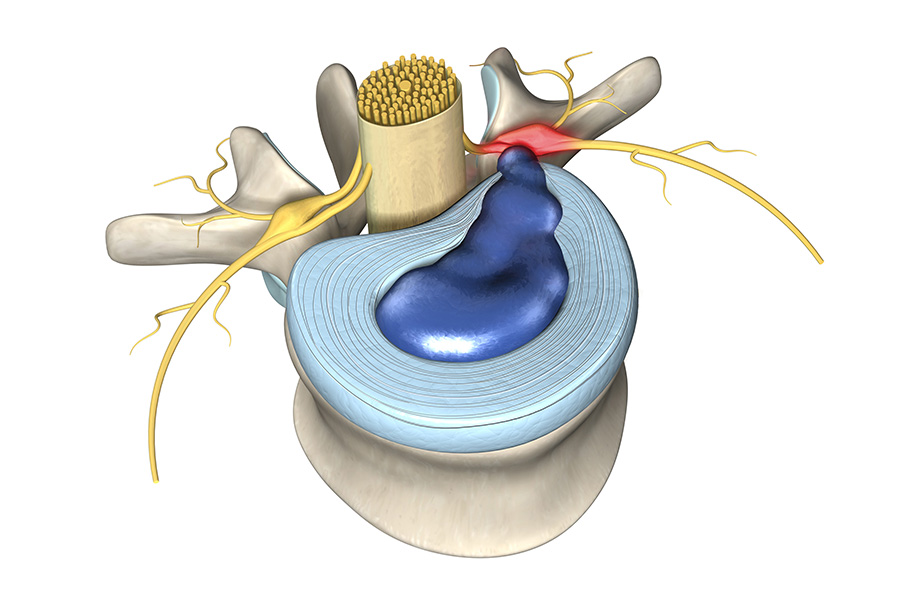
Cervical Spine Disc Herniation: Causes, Symptoms & Advanced Treatment
Cervical Disc Herniation occurs when one of the discs in the neck (cervical spine) slips or ruptures, causing the inner gel-like material to press on nearby nerves or the spinal cord. This condition can lead to pain, numbness, and weakness in the neck, shoulders, arms, and hands.
It is commonly referred to as a slipped disc in the neck.
Causes of Cervical Disc Herniation
Several factors contribute to this condition:
- Age-related wear and tear (degenerative disc disease)
- Sudden injury or trauma
- Poor posture (especially prolonged screen use)
- Repetitive neck movements
- Heavy lifting or strain
- Weak neck and core muscles
Symptoms of Cervical Disc Herniation
Symptoms vary depending on the severity and nerve involvement:
- Neck pain and stiffness
- Radiating pain to shoulders and arms
- Tingling or numbness in hands and fingers
- Muscle weakness in arms
- Reduced range of motion in the neck
- In severe cases, difficulty with coordination or balance
Diagnosis
Accurate diagnosis is essential for effective treatment:
- Physical and neurological examination
- MRI scan (most reliable)
- CT scan (for detailed bone view)
- X-rays to assess spine alignment
Treatment Options
1. Non-Surgical Treatment
Most patients improve without surgery:
- Pain relievers and anti-inflammatory medications
- Physical therapy and neck exercises
- Cervical traction
- Lifestyle and posture correction
- Epidural steroid injections
2. Minimally Invasive Treatments
- Endoscopic cervical discectomy
- Percutaneous procedures
These treatments offer smaller incisions and faster recovery.
3. Surgical Treatment
Recommended when symptoms are severe or persistent:
- Anterior Cervical Discectomy and Fusion (ACDF)
- Artificial disc replacement
- Posterior cervical decompression
Prevention Tips
- Maintain good posture while working
- Use ergonomic chairs and workstations
- Avoid prolonged mobile or laptop usage
- Strengthen neck and back muscles
- Take frequent breaks during desk work

Dr. Rahul Sharma
MBBS, MS, DNB (Neurosurgery), FIPP, FESS (Germany)
Senior Consultant Neurosurgery & Chief – MISS & Pain Modulation