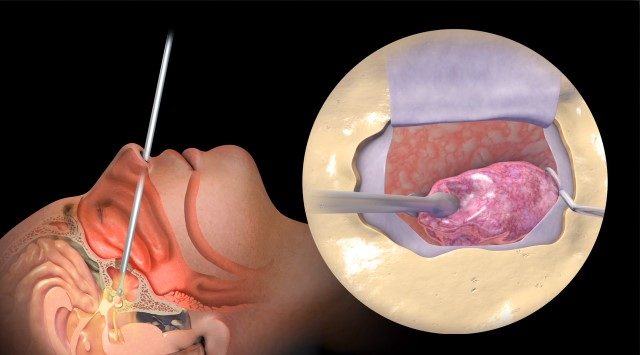
Navigation-Based Tumor Excision: Advanced Brain Tumor Surgery
Navigation-Based Tumor Excision is an advanced neurosurgical technique used to remove brain tumors with high precision. It uses computer-assisted navigation systems (similar to GPS) to guide the surgeon during the procedure, ensuring accurate tumor removal while preserving healthy brain tissue.
This technique is also known as Image-Guided Brain Surgery.
How Does Navigation-Guided Surgery Work?
Before surgery, detailed imaging such as MRI or CT scans is performed. These images are integrated into a navigation system that creates a 3D map of the brain.
During surgery:
- The surgeon uses real-time guidance from the system
- Specialized instruments track the exact location inside the brain
- Tumor removal is performed with maximum accuracy
When is Navigation-Based Tumor Surgery Recommended?
This advanced technique is especially useful when:
- Tumors are located near critical brain areas
- Deep-seated brain tumors are present
- Precise tumor removal is required
- There is a need to minimize damage to surrounding tissues
- Tumor boundaries are difficult to identify
Types of Brain Tumors Treated
Navigation-based excision can be used for:
- Benign brain tumors
- Malignant brain tumors
- Gliomas
- Meningiomas
- Metastatic brain tumors
Benefits of Navigation-Based Tumor Excision
- High precision and accuracy
- Better tumor removal outcomes
- Preservation of healthy brain tissue
- Reduced risk of complications
- Smaller incisions in many cases
- Faster recovery time
- Improved surgical safety
Procedure Overview
- Preoperative MRI/CT scan is performed
- Data is loaded into the navigation system
- Patient is positioned and registered with the system
- Surgeon follows real-time navigation guidance
- Tumor is carefully removed
- Postoperative monitoring is done
Recovery After Surgery
- Hospital stay: typically a few days
- Gradual return to normal activities
- Rehabilitation if needed (speech, movement, etc.)
- Regular follow-up scans to monitor recovery
Risks and Complications
Although advanced, some risks may include:
- Infection
- Bleeding
- Neurological deficits
- Swelling in the brain
- Recurrence of tumor
However, navigation technology significantly reduces these risks.
Who is the Ideal Candidate?
You may be a good candidate if:
- You are diagnosed with a brain tumor
- Tumor is located in a sensitive or deep area
- Precision surgery is required
- You are medically fit for neurosurgery

Dr. Rahul Sharma
MBBS, MS, DNB (Neurosurgery), FIPP, FESS (Germany)
Senior Consultant Neurosurgery & Chief – MISS & Pain Modulation