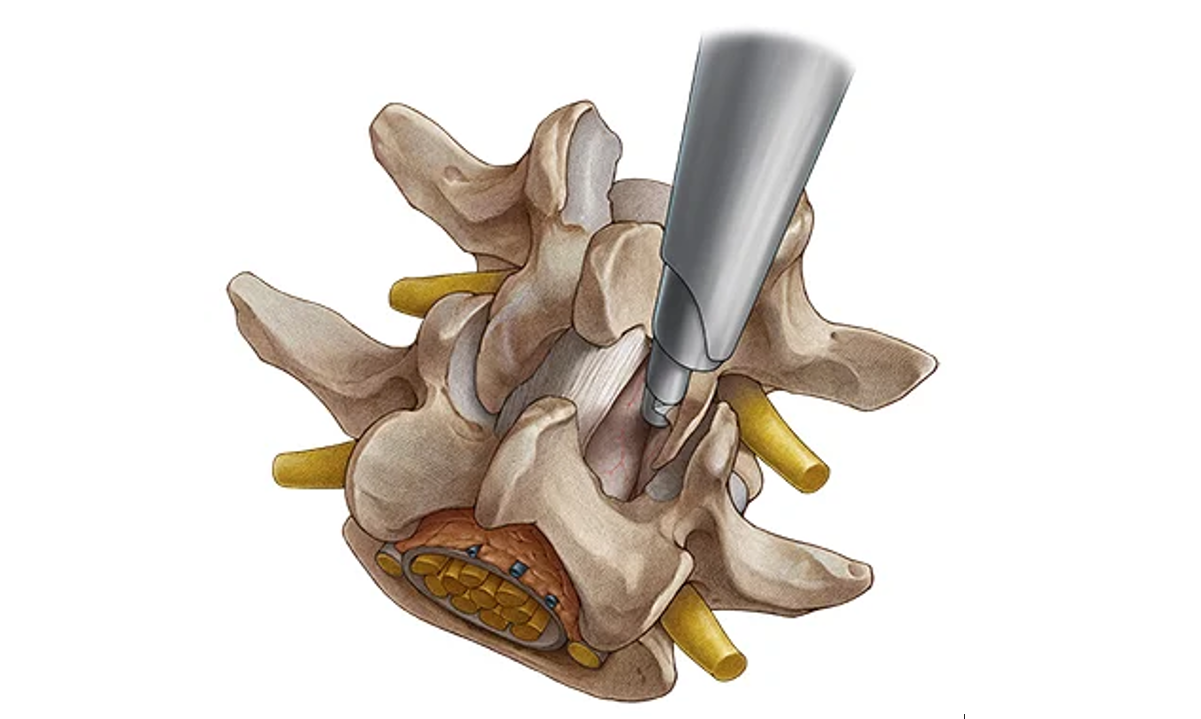
Spine Canal Stenosis Treatment in Greater Noida | Spine Surgery
Introduction
Spinal canal stenosis is a common condition that can significantly impact your quality of life. It occurs when the spaces within your spine narrow, putting pressure on the nerves. If left untreated, it may lead to chronic pain, numbness, and difficulty in movement. Fortunately, advanced spine surgery offers effective relief and helps patients return to a pain-free life.
What is Spinal Canal Stenosis?
Spinal canal stenosis refers to the narrowing of the spinal canal, which compresses the spinal cord and nerves. It most commonly affects the lower back (lumbar spine) and neck (cervical spine).
Causes of Canal Stenosis
Several factors can lead to spinal stenosis, including:
- Age-related degeneration
- Herniated discs
- Thickened ligaments
- Bone spurs (osteophytes)
- Spinal injuries
- Arthritis of the spine
Common Symptoms
Symptoms may vary depending on the severity and location but often include:
- Persistent lower back pain
- Numbness or tingling in legs or arms
- Weakness in muscles
- Difficulty walking or standing for long periods
- Pain that improves when bending forward
When is Spine Surgery Needed?
Not all cases require surgery. Doctors usually recommend surgery when:
- Conservative treatments (medications, physiotherapy) fail
- Pain becomes severe and persistent
- There is nerve damage or muscle weakness
- Daily activities are significantly affected
Types of Canal Stenosis Spine Surgery
1. Decompression Surgery (Laminectomy)
The most common procedure where part of the bone or tissue pressing on nerves is removed to relieve pressure.
2. Minimally Invasive Spine Surgery (MISS)
Performed through small incisions, this modern technique reduces tissue damage and speeds up recovery.
3. Spinal Fusion Surgery
In some cases, two or more vertebrae are fused together to stabilize the spine after decompression.
Benefits of Spine Surgery
- Relief from chronic pain
- Improved mobility and flexibility
- Better quality of life
- Reduced nerve compression
- Faster recovery with advanced techniques
Recovery After Surgery
Recovery depends on the type of procedure and overall health of the patient.
- Hospital stay: 1–3 days (for minimally invasive surgery)
- Return to daily activities: 2–6 weeks
- Full recovery: 2–3 months
- Physiotherapy plays a key role in rehabilitation
Risks & Complications
Like any surgery, spine surgery carries some risks:
- Infection
- Bleeding
- Nerve injury
- Blood clots
- Recurrence of symptoms
However, with experienced surgeons and modern technology, these risks are minimal.
Prevention & Lifestyle Tips
While not all cases can be prevented, you can reduce risk by:
- Maintaining good posture
- Regular exercise and stretching
- Keeping a healthy weight
- Avoiding heavy lifting
- Practicing ergonomic habits
Conclusion
Canal stenosis can be painful and limiting, but with the right diagnosis and timely treatment, it is highly manageable. Advanced spine surgery techniques have made treatment safer and more effective than ever. If you are experiencing persistent back pain or nerve-related symptoms, consult a spine specialist to explore the best treatment options for you.

Dr. Rahul Sharma
MBBS, MS, DNB (Neurosurgery), FIPP, FESS (Germany)
Senior Consultant Neurosurgery & Chief – MISS & Pain Modulation