Decompressive Craniectomy: Life-Saving Brain Surgery for Severe Brain Swelling
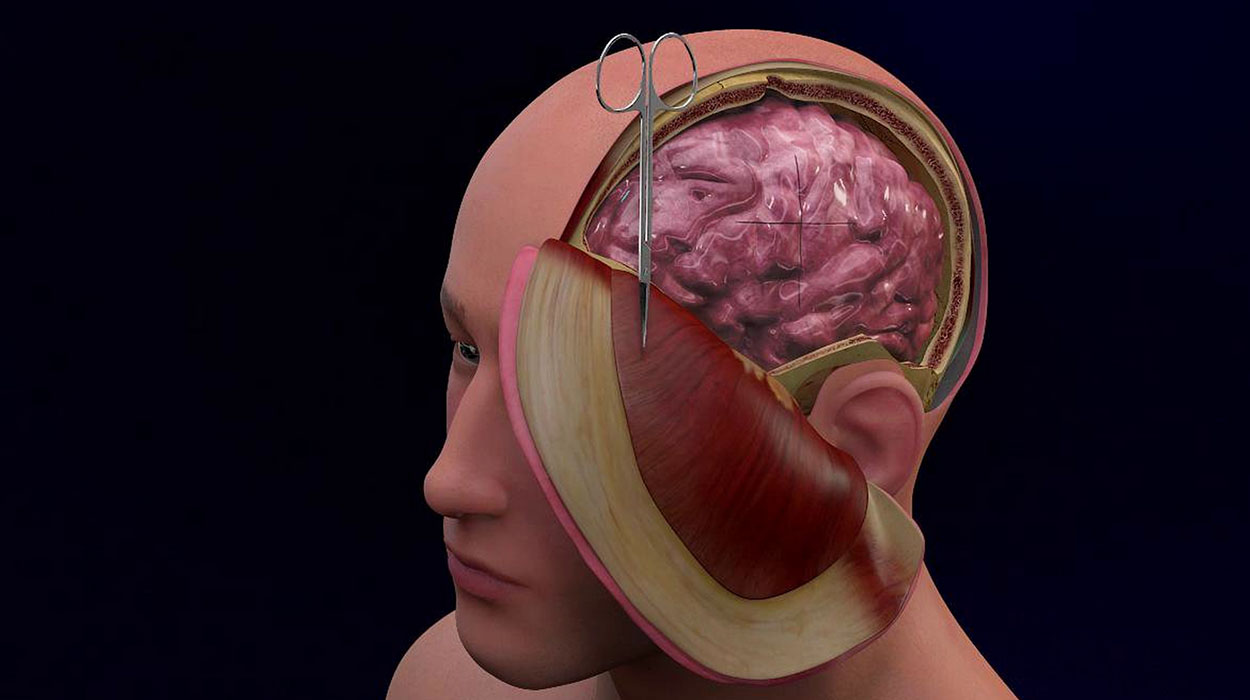
Decompressive Craniectomy is a critical neurosurgical procedure performed to relieve increased pressure inside the brain (intracranial pressure). In this surgery, a portion of the skull is temporarily removed to allow the swollen brain to expand safely without being compressed.
This procedure is often life-saving in emergency situations.
Why is Decompressive Craniectomy Needed?
When the brain swells due to injury or disease, the skull cannot expand. This leads to dangerous pressure buildup, which can damage brain tissue and be fatal.
Decompressive Craniectomy helps to:
- Reduce intracranial pressure
- Prevent brain damage
- Improve blood flow to the brain
- Save life in critical conditions
Conditions That May Require This Surgery
Decompressive Craniectomy is commonly performed in:
- Severe head injury (traumatic brain injury)
- Stroke (especially large ischemic stroke)
- Brain hemorrhage
- Brain swelling (cerebral edema)
- Infections causing brain swelling
- Certain brain tumors
Symptoms of Increased Brain Pressure
Emergency signs include:
- Severe headache
- Vomiting
- Loss of consciousness
- Seizures
- Weakness or paralysis
- Confusion or altered behavior
- Unequal pupil size
⚠️ Note: Immediate medical attention is required if these symptoms occur.
Procedure Overview
- Performed under general anesthesia
- A section of the skull (bone flap) is removed
- The brain is allowed to expand safely
- The removed bone is preserved for future replacement (cranioplasty)
- Patient is closely monitored in ICU
What is Cranioplasty?
After the brain swelling reduces, a second surgery called cranioplasty is performed to replace the removed bone or insert an artificial implant to restore the skull.
Recovery After Surgery
- Initial care in ICU
- Gradual recovery depending on brain injury severity
- Rehabilitation (physiotherapy, speech therapy)
- Long-term follow-up care
Recovery time varies widely based on the patient's condition.
Risks and Complications
While life-saving, the procedure may involve:
- Infection
- Bleeding
- Brain fluid leakage
- Seizures
- Long-term neurological deficits
However, the benefits often outweigh the risks in critical cases.
Who is the Ideal Candidate?
This procedure is typically performed in emergency situations when:
- Brain swelling is severe and life-threatening
- Medical treatments fail to control pressure
- Imaging shows significant brain compression

Dr. Rahul Sharma
MBBS, MS, DNB (Neurosurgery), FIPP, FESS (Germany)
Senior Consultant Neurosurgery & Chief – MISS & Pain Modulation