Our Services
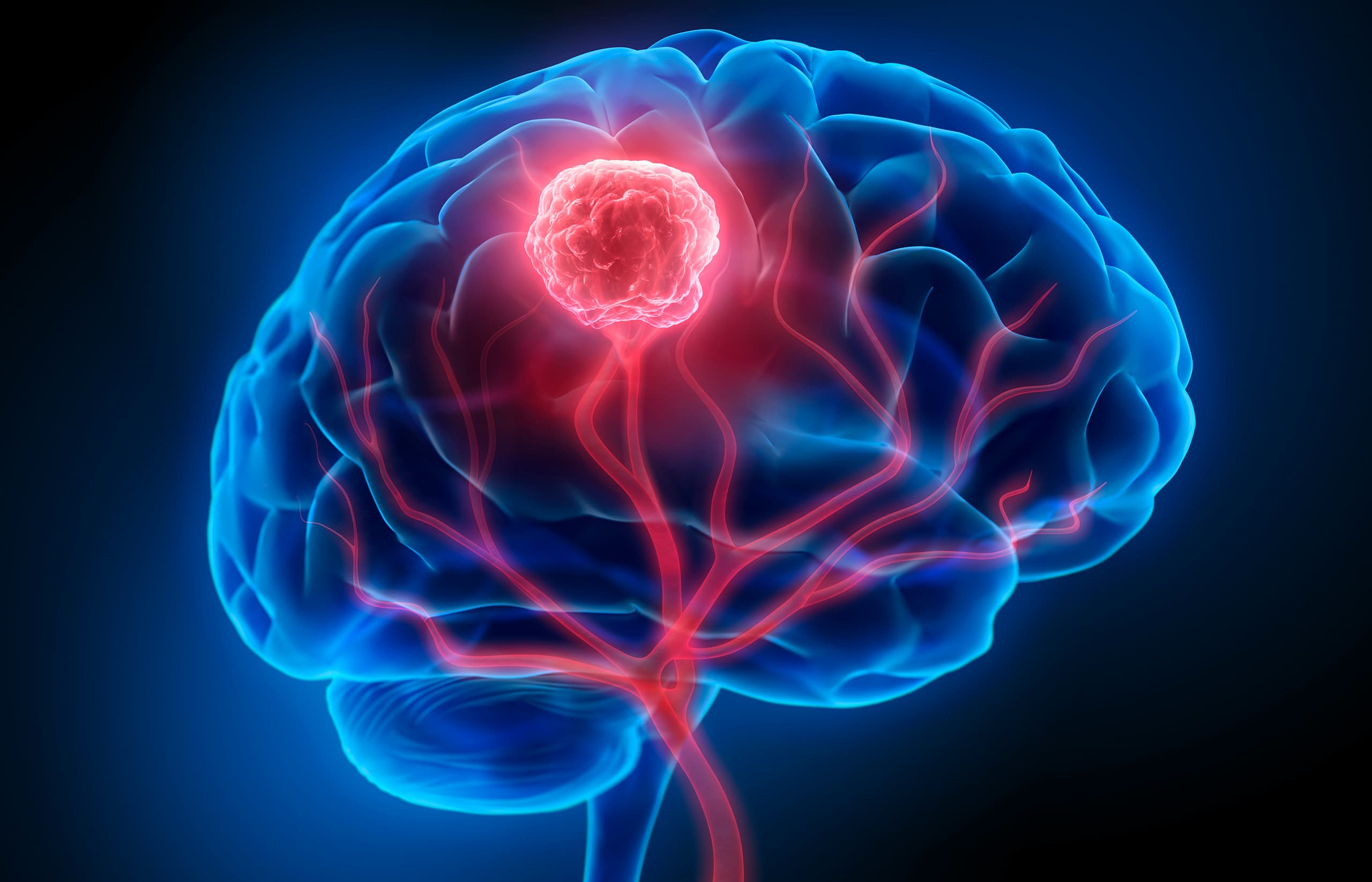
Brain Tumor
Brain Tumor
Hydrocephalus
Hydrocephalus
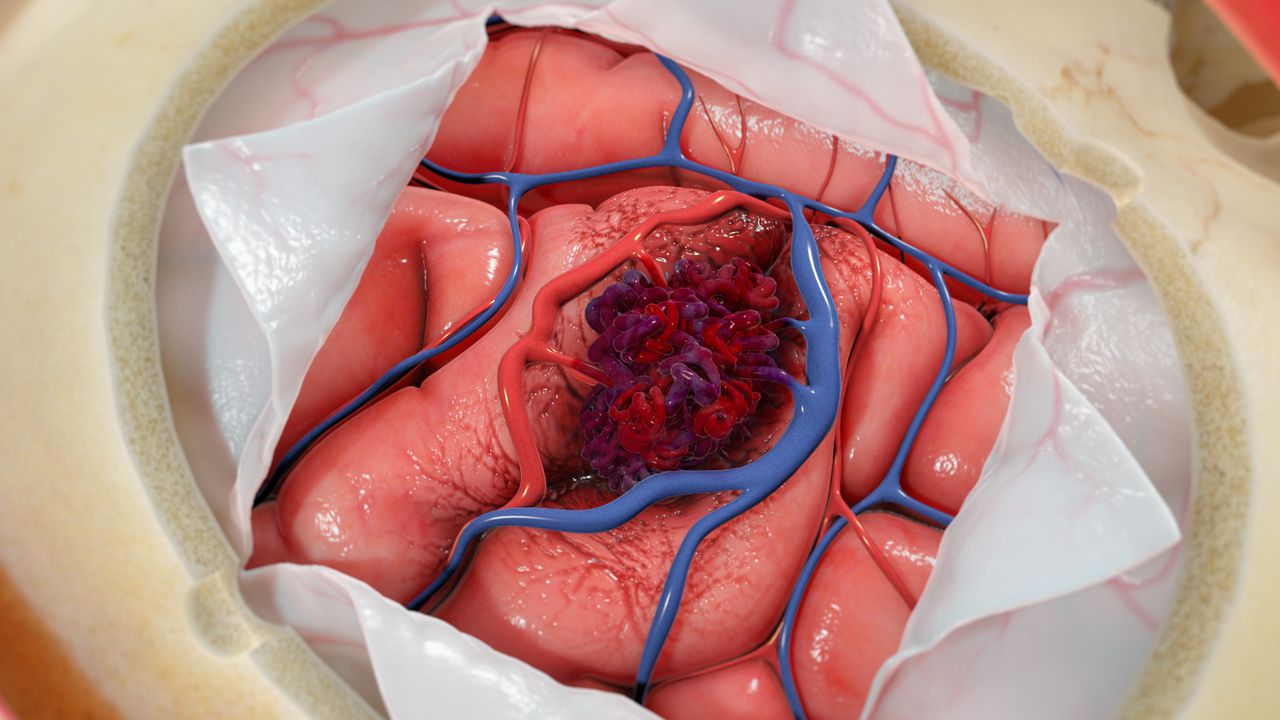
Vascular Surgery
Vascular Surgery
Seizure Surgery
Seizure Surgery
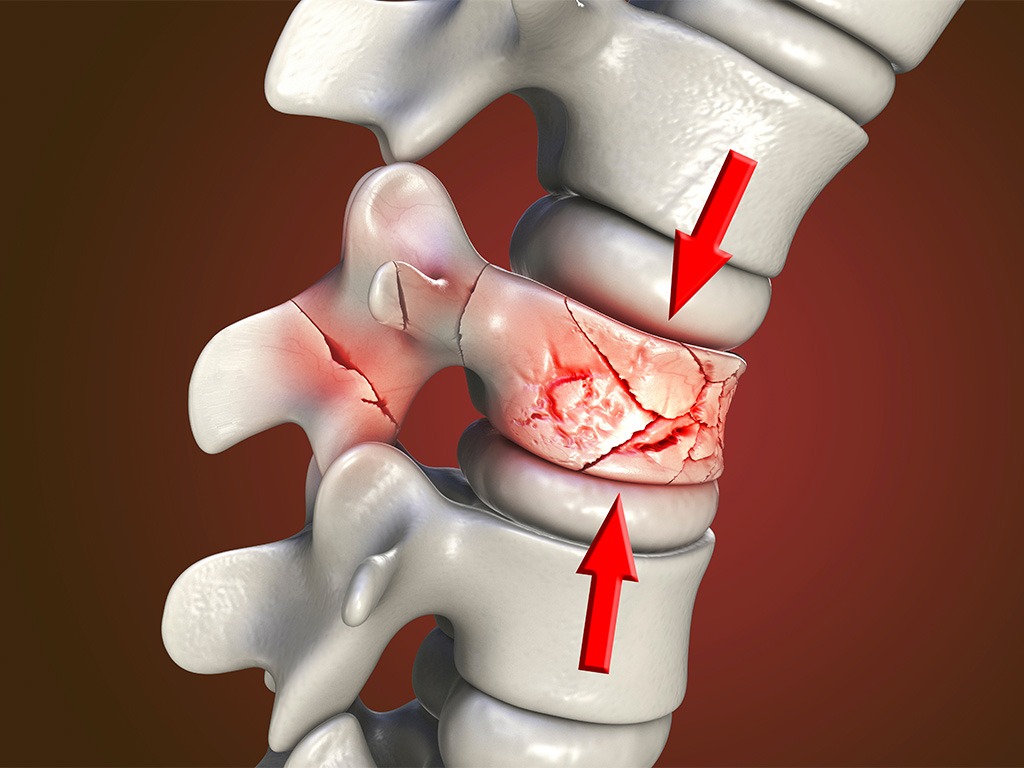
Disc Herniations
Disc Herniations
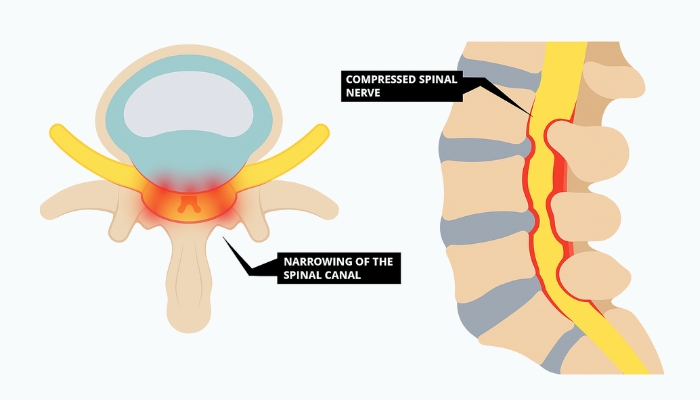
Canal Stenosis
Canal Stenosis
Vertebroplasty
Vertebroplasty
Kyphoplasty
Kyphoplasty
About Us

Neurosurgeon in Greater Noida

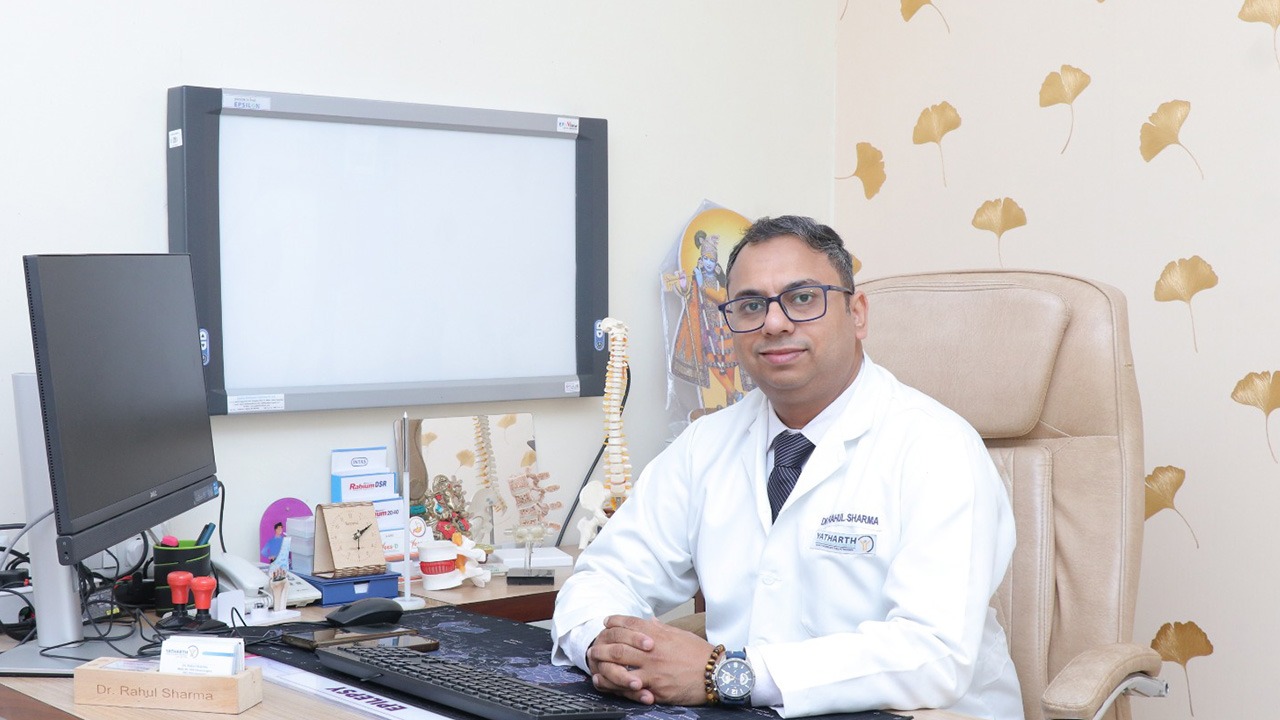
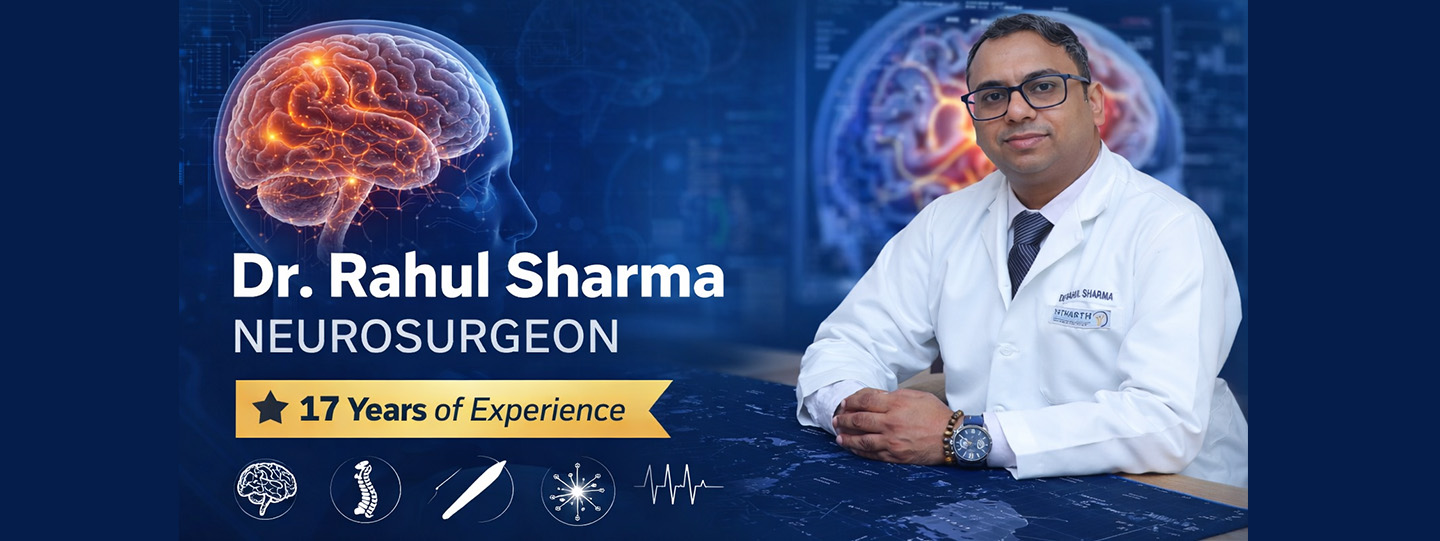
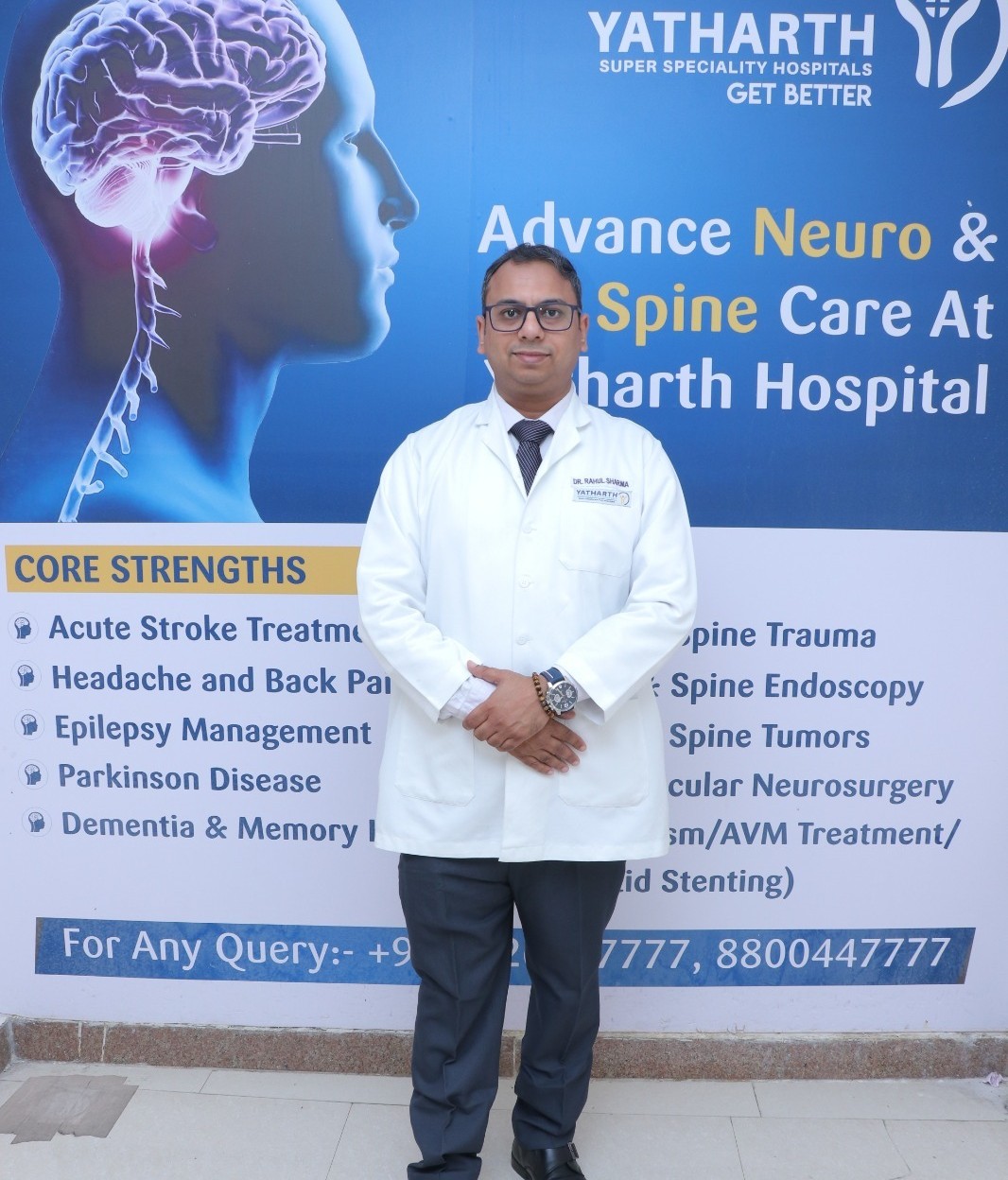
Dr. Rahul Sharma

Dr. Rahul Sharma brings with him vast experience of 17 years in the field of Neurosurgery. After completing his MBBS & MS (General Surgery), he did three years of DNB (Neurosurgery) training at the Army hospital (R&R), which is a premier research and referral institute of the Indian Armed Forces. Then he did fellowship in Neuro-endoscopy surgery (Brain & Spine) at Jabalpur. He also completed Fellowship in the Full Endoscopic Lumbar Spine surgery and Fellowship in Interventional Pain Procedures Lumbar Spine at CESS-SHOT hospital at Miraj.

Thereafter he has also completed his Fellowship in Full Endoscopic Lumbar Spine Surgery from Germany. Then he did fellowship in Pain and Palliative care from TIPS, Thiruvananthapuram. His key areas of interest are Endoscopic Spine Surgery, Pain procedures for backache, Minimally Invasive Brain & Spine Surgery, and Brain Tumor Surgery. He intends to provide quality and ethical neurosurgical care (Brain and Spine) to all strata of society based on current established practices.

Read More
servicebox

#Curious To Know More About
Dr. Rahul Sharma?

Years of Experience  +
0

Years of Experience +

Happy Patients +

0

Happy Patients +

Services  +
0

Services +

Successful Surgeries+
0

Successful Surgeries+

Why Choose Us
Why Choose Us
Why Choose Dr. Rahul Sharma?

Dr. Rahul Sharma is known for his compassionate patient care, accurate clinical diagnosis, and advanced treatment methods, providing high-quality neurosurgical care with a strong focus on safety, precision, and optimal patient outcomes.

His key areas of expertise include:

  • Endoscopic Spine Surgery
  • Pain Procedures for Backache
  • Minimally Invasive Brain & Spine Surgery
  • Brain Tumor Surgery
Best Counselling

We provide comprehensive counselling and therapy for patients suffering from Brain and Spine disorders, helping them understand their condition and choose the most suitable treatment.

Advanced Brain Checkup

Complete neurological evaluation using modern diagnostic techniques such as CT Scan, CTA, MRI, MRA, DSA, and Carotid Doppler / Ultrasound, ensuring accurate diagnosis and proper treatment planning.

Experienced & Trusted Doctor

A trusted, patient-focused, and highly experienced neurosurgeon with a strong track record of successfully diagnosing, treating, and managing complex Brain and Spine conditions with advanced technology and compassionate care.
Patient Testimonials

News & Media

Frequently Asked Questions (FAQs)

1. When should I consult a neurosurgeon?

You should consult a neurosurgeon if you have severe back pain, slip disc, brain tumor, head injury, nerve compression, spine problems, paralysis, or symptoms like weakness, numbness, seizures, or loss of balance. A neurosurgeon specializes in surgical treatment of brain, spine, and nerve disorders.

2. What diseases does a neurosurgeon treat?

A neurosurgeon treats brain tumor, spine problems, slip disc, sciatica, head injury, stroke complications, hydrocephalus, nerve injury, paralysis, trigeminal neuralgia, and spinal cord disorders.

3. What is the difference between neurologist and neurosurgeon?

A neurologist treats brain and nerve diseases with medicines, while a neurosurgeon performs surgery for conditions affecting the brain, spine, and nerves when surgery is required.

4. Is spine surgery safe?

Modern spine surgery is safe when performed by an experienced neurosurgeon using advanced technology. Most patients recover well and experience relief from pain, weakness, or nerve compression.

5. What are the symptoms of brain tumor?

Symptoms may include persistent headache, vomiting, seizures, vision problems, weakness, memory loss, difficulty speaking, or imbalance. If these symptoms occur, you should consult a neurosurgeon immediately.

6. When is surgery needed for slip disc?

Surgery may be needed if severe pain, leg weakness, numbness, or nerve compression does not improve with medicines and physiotherapy. A neurosurgeon decides the best treatment after proper evaluation.

7. How long does recovery take after brain or spine surgery?

Recovery depends on the type of surgery and patient condition. Some patients recover in a few weeks, while complex surgeries may need longer rehabilitation and follow-up care.

8. What tests are required before neurosurgery?

Common tests include MRI, CT scan, X-ray, blood tests, nerve conduction study, and other investigations to diagnose the problem accurately before surgery.

9. Can paralysis be treated by neurosurgery?

In some cases, paralysis caused by nerve compression, spine injury, or brain problems can improve after surgery. Early treatment gives better results.

10. How do I choose the best neurosurgeon?

Choose a qualified and experienced neurosurgeon with good patient reviews, advanced surgical facilities, and expertise in brain and spine surgery. Proper consultation helps in correct diagnosis and treatment.

Latest Insights

blog
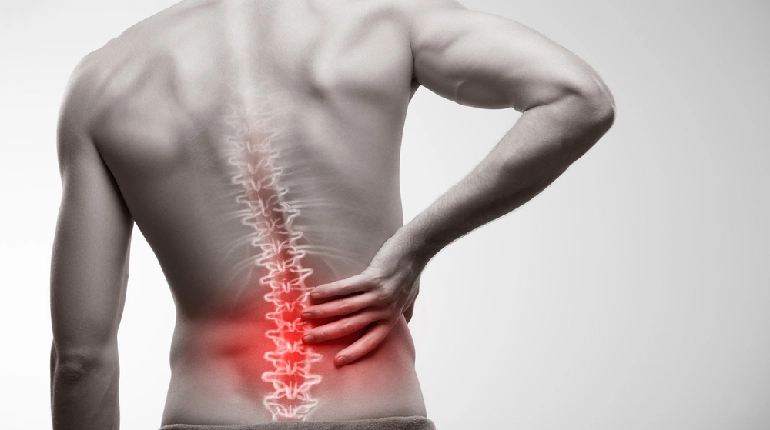
When Should You See a Neurosurgeon for Back Pain?

You should see a neurosurgeon for back pain if you experience red-flag symptoms indicating nerve involvement, such as severe leg weakness, numbness in the saddle area, loss of bowel/bladder control, or pain radiating down the legs, often indicating conditions like hernia or stenosis.
Read More
blog
Signs of Brain Tumor You Should Never Ignore

Critical brain tumor warning signs include new, persistent headaches (often worse in the morning), sudden unexplained seizures, vision changes (blurred/double), personality shifts, cognitive decline, weakness/numbness on one side, and severe vomiting.

Read More
blog
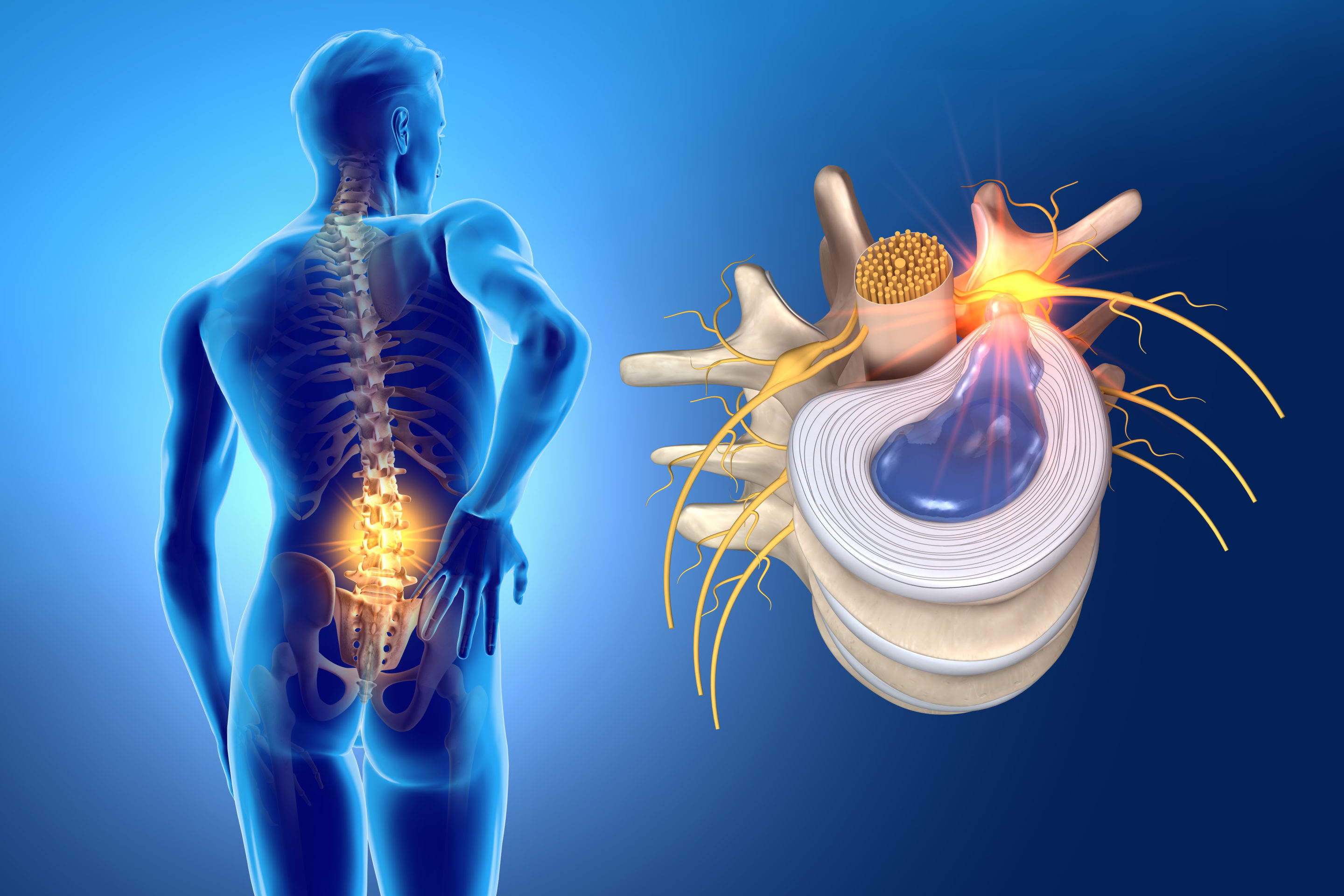
Slip Disc vs Sciatica – What’s the Difference?

A slip disc (herniated disc) is a structural spinal injury where inner disc material protrudes and compresses nerves, while sciatica is the resulting symptom—pain, numbness, or tingling radiating along the sciatic nerve from the lower back down the leg.
Read More