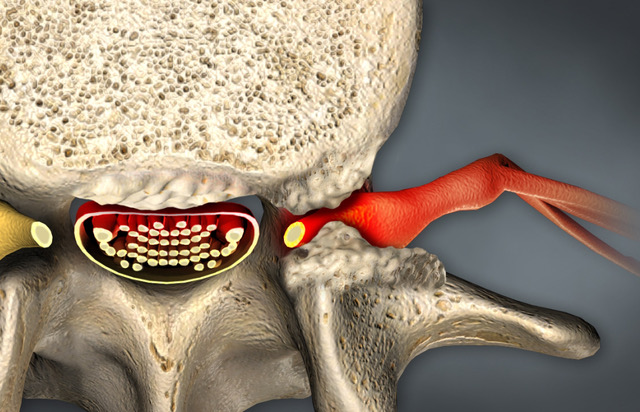
Foraminal Stenosis: Causes, Symptoms, Diagnosis & Treatment
Foraminal Stenosis is a spinal condition where the neural foramina—small openings on either side of the spine through which nerves exit—become narrowed. This narrowing compresses the spinal nerves, leading to pain, numbness, or weakness in different parts of the body.
It most commonly affects the cervical (neck) and lumbar (lower back) regions.
Causes of Foraminal Stenosis
Foraminal Stenosis is usually caused by age-related wear and tear, but other factors may include:
- Degenerative disc disease
- Herniated or bulging discs
- Bone spurs (osteophytes)
- Thickened ligaments
- Spinal arthritis
- Poor posture over time
- Injury or trauma to the spine
Symptoms of Foraminal Stenosis
Symptoms depend on the location and severity of nerve compression:
Cervical Foraminal Stenosis (Neck)
- Neck pain
- Shoulder pain
- Tingling or numbness in arms and hands
- Weak grip strength
Lumbar Foraminal Stenosis (Lower Back)
- Lower back pain
- Radiating leg pain (sciatica)
- Numbness or tingling in legs
- Muscle weakness
- Difficulty walking or standing
Diagnosis
A proper diagnosis involves:
- Detailed physical examination
- MRI scan (gold standard)
- CT scan for bone structures
- X-rays to assess alignment
These tests help determine the extent of nerve compression.
Treatment Options
1. Non-Surgical Treatment
For mild to moderate cases:
- Pain relief medications
- Physical therapy and exercises
- Posture correction
- Epidural steroid injections
2. Minimally Invasive Treatments
- Endoscopic decompression
- Laser-assisted procedures
These methods offer faster recovery and minimal tissue damage.
3. Surgical Treatment
Recommended for severe cases or when conservative treatment fails:
- Foraminotomy (widening the foramen)
- Discectomy
- Spinal fusion (if instability exists)
Prevention Tips
- Maintain proper posture
- Stay physically active
- Strengthen core and back muscles
- Avoid heavy lifting
- Use ergonomic work setups
When to See a Doctor?
Seek medical attention if you experience:
- Persistent or worsening pain
- Numbness or weakness
- Difficulty in walking or balance
- Loss of bladder or bowel control (emergency condition)

Dr. Rahul Sharma
MBBS, MS, DNB (Neurosurgery), FIPP, FESS (Germany)
Senior Consultant Neurosurgery & Chief – MISS & Pain Modulation