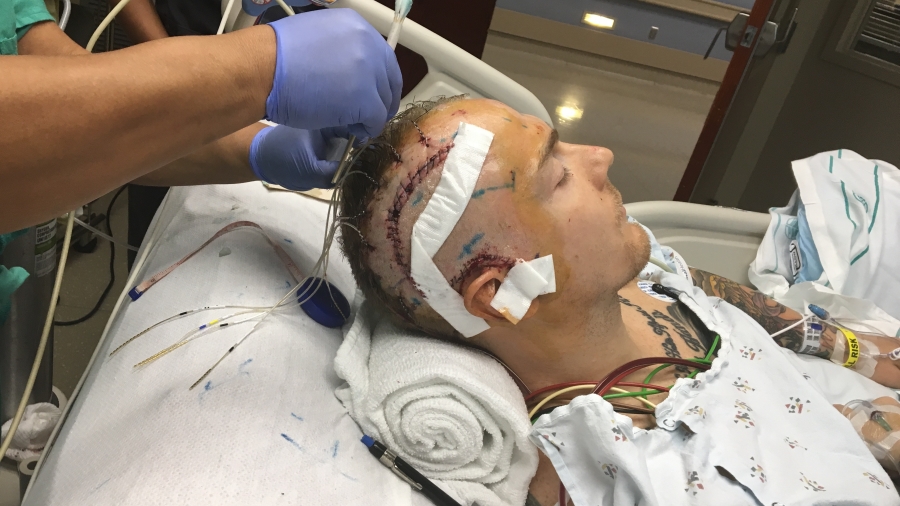
Seizure Surgery (Epilepsy Surgery): Advanced Treatment for Uncontrolled Seizures
Seizure Surgery, also known as Epilepsy Surgery, is a specialized procedure used to treat patients whose seizures are not controlled by medications. The goal of surgery is to remove or modify the area of the brain where seizures originate, helping reduce or completely stop seizure activity.
When is Seizure Surgery Recommended?
Surgery is considered when:
- Seizures are not controlled with medications (drug-resistant epilepsy)
- Seizures originate from a specific, identifiable area of the brain
- Seizures significantly affect quality of life
- The affected brain area can be safely treated without major loss of function
Types of Seizure Surgery
1. Resective Surgery
Removal of the part of the brain causing seizures.
2. Laser Ablation (Minimally Invasive)
Uses heat to destroy the seizure-causing tissue.
3. Corpus Callosotomy
Cuts connections between the two brain hemispheres to reduce seizure spread.
4. Vagus Nerve Stimulation (VNS)
A device is implanted to send electrical signals to control seizures.
5. Deep Brain Stimulation (DBS)
Electrical stimulation of specific brain areas to reduce seizure frequency.
Symptoms of Severe Epilepsy
- Recurrent seizures
- Loss of consciousness
- Uncontrolled movements
- Confusion after seizures
- Memory problems
- Injuries due to frequent seizures
Pre-Surgical Evaluation
Before surgery, detailed testing is done:
- MRI scan
- Video EEG monitoring
- CT scan
- Neuropsychological testing
These tests help identify the exact source of seizures.
Benefits of Seizure Surgery
- Significant reduction in seizure frequency
- Improved quality of life
- Reduced dependence on medications
- Better cognitive and social functioning
- Increased safety and independence
Procedure Overview
- Performed under general anesthesia
- Surgeon identifies and treats the seizure focus
- Duration depends on the type of surgery
- Postoperative monitoring in ICU
Recovery After Surgery
- Hospital stay for a few days
- Gradual return to normal activities
- Continued follow-up and monitoring
- Medications may still be required in some cases
Risks and Complications
Possible risks include:
- Infection
- Bleeding
- Memory or speech issues
- Neurological deficits (depending on area treated)
However, risks are minimized with proper evaluation and expert care.
Who is the Ideal Candidate?
You may be a good candidate if:
- You have drug-resistant epilepsy
- Seizure focus is clearly identified
- You are medically fit for surgery
- Seizures are significantly impacting your life

Dr. Rahul Sharma
MBBS, MS, DNB (Neurosurgery), FIPP, FESS (Germany)
Senior Consultant Neurosurgery & Chief – MISS & Pain Modulation