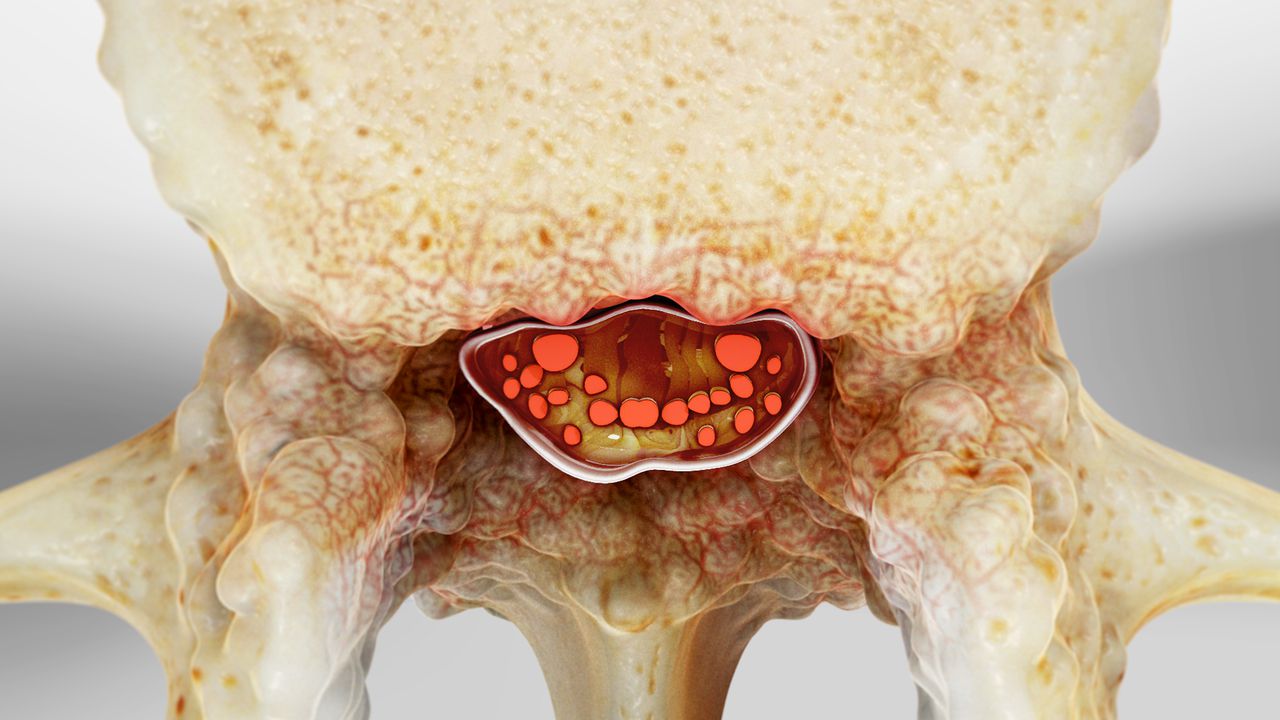
Lateral Recess Stenosis: Causes, Symptoms, Diagnosis & Treatment
Lateral Recess Stenosis is a type of spinal condition where the space (lateral recess) in the spinal canal becomes narrowed. This narrowing puts pressure on the nerve roots, leading to pain, numbness, or weakness—especially in the lower back and legs.
It is commonly associated with aging and degenerative spine conditions, and it often affects the lumbar (lower) spine.
Causes of Lateral Recess Stenosis
Several factors can contribute to this condition, including:
- Age-related degeneration of the spine
- Herniated or bulging discs
- Thickening of ligaments (ligamentum flavum hypertrophy)
- Bone spurs (osteophytes)
- Arthritis of the spine (facet joint arthritis)
- Previous spinal injuries or surgeries
Symptoms of Lateral Recess Stenosis
Symptoms vary depending on the severity but commonly include:
- Lower back pain
- Radiating leg pain (sciatica)
- Numbness or tingling in legs
- Muscle weakness
- Difficulty walking or standing for long periods
- Pain relief when sitting or bending forward
Diagnosis
Early diagnosis helps prevent complications. Doctors typically use:
- Physical examination
- MRI scan (most effective)
- CT scan
- X-rays
These tests help identify nerve compression and the extent of narrowing.
Treatment Options
1. Conservative Treatment
For mild to moderate cases:
- Pain medications
- Physical therapy
- Epidural steroid injections
- Lifestyle modifications
2. Minimally Invasive Treatments
- Endoscopic spine surgery
- Microdecompression procedures
These options reduce recovery time and tissue damage.
3. Surgical Treatment
For severe cases:
- Laminectomy
- Foraminotomy
- Spinal fusion (if instability is present)
Surgery helps relieve pressure on nerves and improve mobility.
Prevention Tips
- Maintain a healthy weight
- Practice good posture
- Exercise regularly (especially core strengthening)
- Avoid prolonged sitting
- Use ergonomic furniture

Dr. Rahul Sharma
MBBS, MS, DNB (Neurosurgery), FIPP, FESS (Germany)
Senior Consultant Neurosurgery & Chief – MISS & Pain Modulation