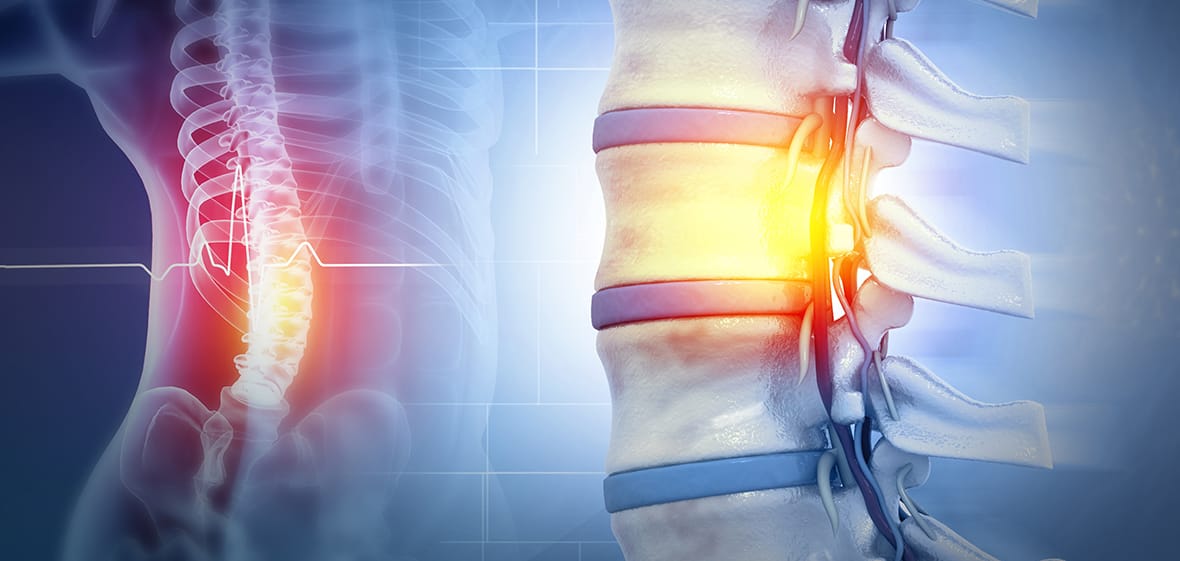
Spine Trauma: Causes, Symptoms & Emergency Treatment
Spine Trauma refers to any injury to the spinal column, including bones (vertebrae), discs, ligaments, or the spinal cord. These injuries can range from mild soft tissue damage to severe fractures or spinal cord injuries that may lead to paralysis.
Spine trauma is a medical emergency in many cases and requires immediate attention.
Common Causes of Spine Trauma
Spinal injuries can occur due to:
- Road traffic accidents
- Falls from height
- Sports injuries
- Workplace accidents
- Physical violence or impact injuries
High-impact accidents are the most common cause of severe spinal trauma.
Types of Spine Trauma
1. Fractures
Breaks in the vertebrae that can affect spinal stability.
2. Dislocations
When vertebrae move out of their normal position.
3. Spinal Cord Injury (SCI)
Damage to the spinal cord that may result in
partial or complete loss of movement or sensation.
4. Soft Tissue Injuries
Damage to muscles, ligaments, or discs.
Symptoms of Spine Trauma
Symptoms depend on the severity and location of injury:
- Severe back or neck pain
- Limited mobility
- Numbness or tingling
- Weakness in arms or legs
- Loss of sensation
- Difficulty breathing (in severe cases)
- Loss of bladder or bowel control
⚠️ Note: Any suspected spinal injury should be treated as an emergency.
Diagnosis
Accurate and quick diagnosis is critical:
- Physical and neurological examination
- X-rays
- CT scan (for detailed bone injury)
- MRI scan (to assess spinal cord and soft tissues)
Emergency Management
Immediate steps include:
- Immobilization of the spine
- Avoid moving the patient unnecessarily
- Emergency medical transport
- Stabilization in a hospital setting
Proper early care can prevent permanent damage.
Treatment Options
1. Non-Surgical Treatment
For stable injuries:
- Bracing or immobilization
- Pain management
- Bed rest and rehabilitation
2. Surgical Treatment
Required in severe or unstable injuries:
- Spinal stabilization with rods and screws
- Decompression surgery to relieve pressure on the spinal cord
- Fracture fixation
3. Rehabilitation
A crucial part of recovery:
- Physiotherapy
- Occupational therapy
- Long-term rehabilitation programs
Complications of Spine Trauma
If not treated properly, it can lead to:
- Permanent paralysis
- Chronic pain
- Loss of mobility
- Neurological deficits
Prevention Tips
- Follow road safety rules
- Use seat belts and helmets
- Avoid risky activities
- Maintain workplace safety
- Strengthen muscles and improve balance

Dr. Rahul Sharma
MBBS, MS, DNB (Neurosurgery), FIPP, FESS (Germany)
Senior Consultant Neurosurgery & Chief – MISS & Pain Modulation