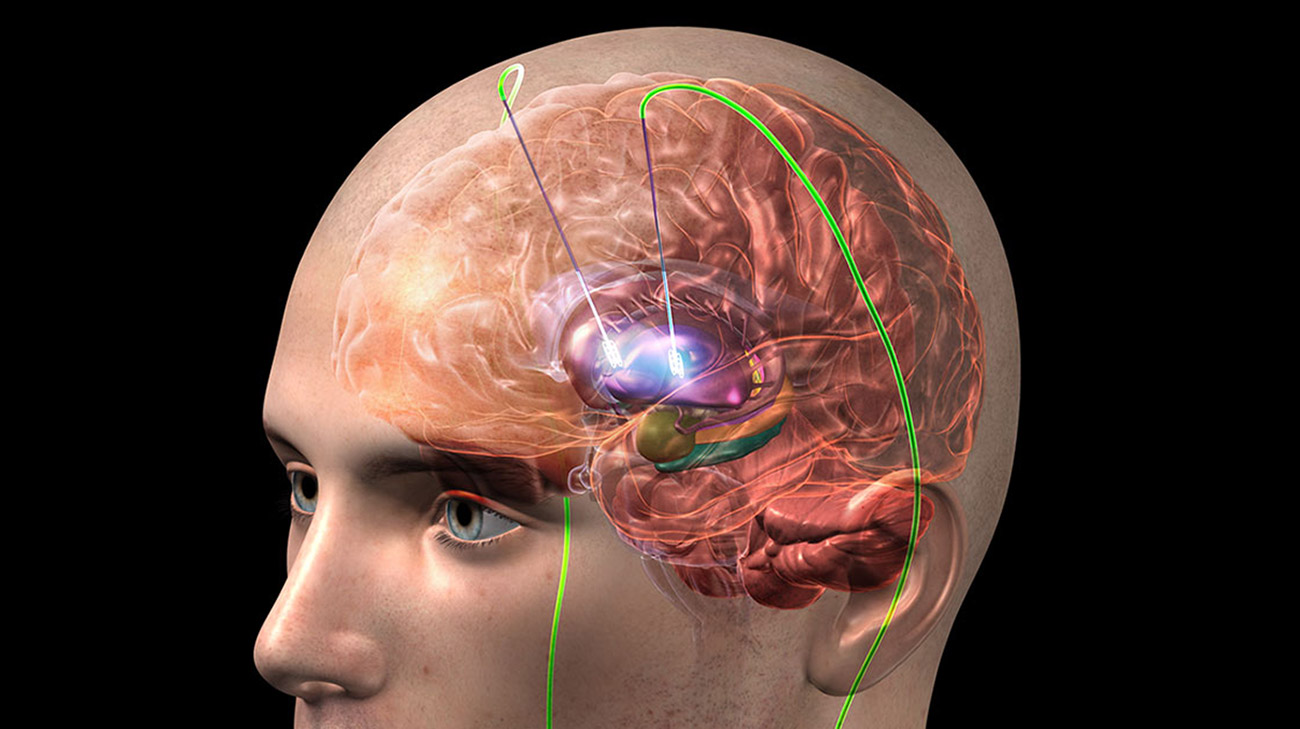
Deep Brain Stimulation (DBS): Advanced Treatment for Movement & Neurological Disorders
What is Deep Brain Stimulation (DBS)?
Deep Brain Stimulation (DBS) is an advanced neurosurgical procedure in which a small device (similar to a pacemaker) is implanted in the brain to send controlled electrical signals to specific areas. These signals help regulate abnormal brain activity and improve symptoms of various neurological disorders.
How Does DBS Work?
DBS involves three main components:
- Electrodes (leads): Placed in specific areas of the brain
- Pulse generator (battery): Implanted under the skin (usually in the chest)
- Connecting wires: Link the electrodes to the generator
The device sends electrical impulses that modify abnormal brain signals, helping control symptoms.
Conditions Treated with DBS
Deep Brain Stimulation is commonly used for:
- Parkinson's disease
- Essential tremor
- Dystonia
- Epilepsy (in selected cases)
- Obsessive-compulsive disorder (OCD)
- Chronic pain (in certain cases)
When is DBS Recommended?
DBS is considered when:
- Medications are no longer effective
- Symptoms are severe and affect daily life
- Side effects of medications are significant
- The patient is medically fit for surgery
Benefits of Deep Brain Stimulation
- Significant reduction in symptoms (tremors, stiffness, seizures)
- Improved quality of life
- Adjustable and reversible treatment
- Reduced dependency on medications
- Minimally invasive compared to traditional brain surgeries
Procedure Overview
- Detailed pre-surgical evaluation (MRI, neurological tests)
- Electrodes are placed in targeted brain areas
- Pulse generator is implanted under the skin
- Device is programmed and adjusted after surgery
The procedure may be done in stages depending on the condition.
Recovery After DBS Surgery
- Hospital stay for a few days
- Device programming over several sessions
- Gradual improvement in symptoms
- Regular follow-ups for adjustments
Risks and Complications
Although generally safe, possible risks include:
- Infection
- Bleeding in the brain
- Device-related issues
- Speech or balance problems
- Temporary neurological symptoms
Who is the Ideal Candidate?
You may be a suitable candidate if:
- You have a neurological disorder not controlled by medication
- Symptoms significantly impact daily life
- You respond to medications but have side effects
- You are physically fit for surgery
Dr. Rahul Sharma
MBBS, MS, DNB (Neurosurgery), FIPP, FESS (Germany)
Senior Consultant Neurosurgery & Chief – MISS & Pain Modulation