When Should You See a Neurosurgeon for Back Pain?
Back pain is something almost everyone experiences at some point in life. Whether it's due to long hours at a desk, poor posture, or a sudden injury, most back pain tends to improve with rest and basic treatment. However, not all back pain is harmless.
In some cases, back pain can signal a more serious underlying condition involving the spine or nerves. This is where a neurosurgeon plays a crucial role. But how do you know when it's time to see one?
Understanding the Nature of Back Pain
Back pain can vary from a dull ache to sharp, shooting pain. It may stay localized in one area or radiate to other parts of the body like the legs or arms. While minor pain often resolves within a few days or weeks, persistent or severe symptoms should not be ignored.
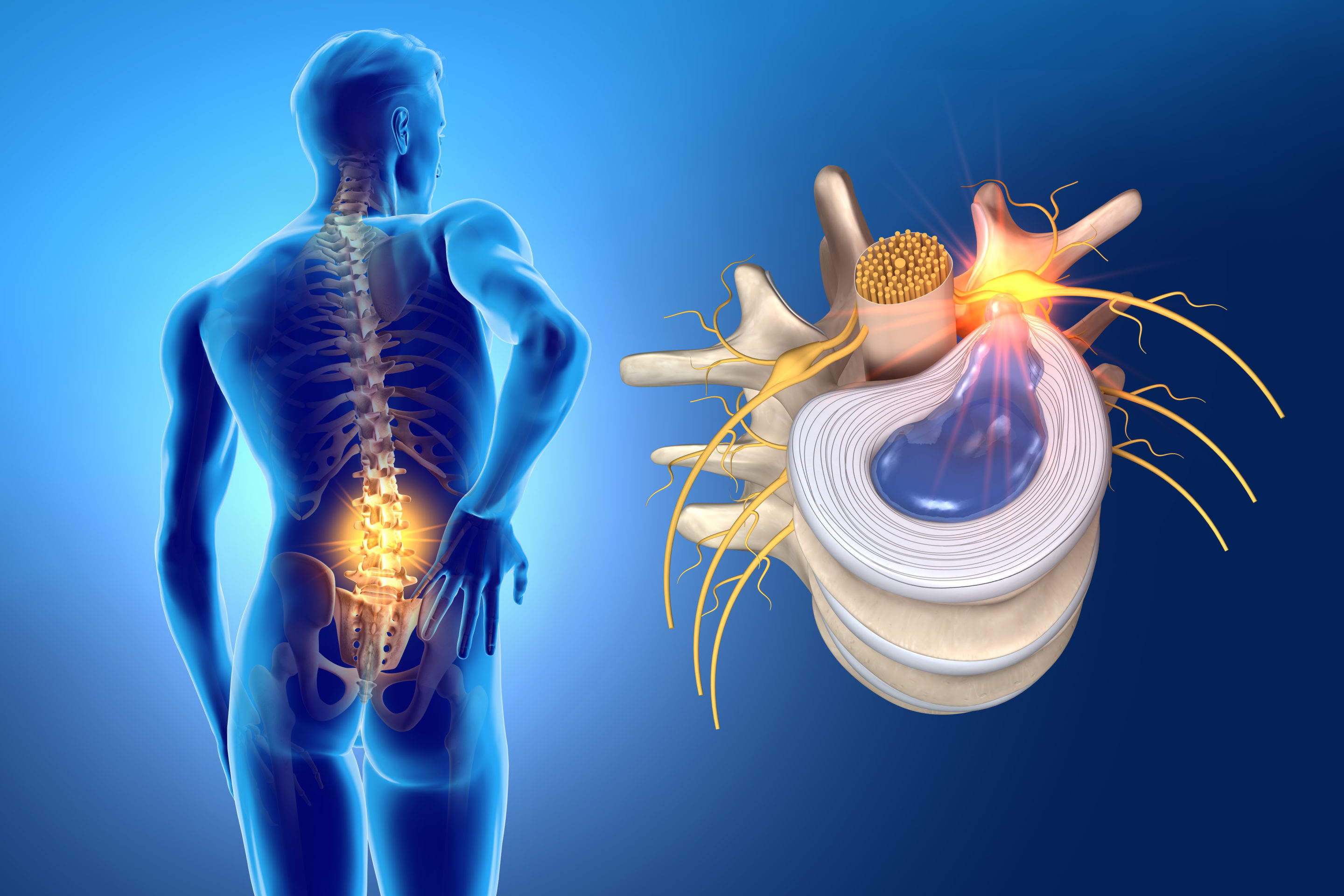
Your spine is a complex structure made up of bones, discs, nerves, and muscles. When any of these components are affected, it can lead to serious discomfort and complications.
Warning Signs You Should Not Ignore
Not every back pain needs a neurosurgeon, but certain symptoms clearly indicate that you need expert evaluation.
- Pain That Doesn't Go Away
If your back pain lasts longer than 4–6 weeks despite medication or physiotherapy, it's time to consult a specialist. Chronic pain often points to deeper spinal issues. - Pain That Spreads to Arms or Legs
Pain radiating down your legs (commonly known as sciatica) or arms could mean nerve compression. This is often caused by conditions like a slipped or herniated disc. - Numbness or Tingling Sensation
A "pins and needles" feeling in your limbs is a sign that your nerves may be affected. Ignoring this can lead to long-term nerve damage. - Muscle Weakness
If you notice weakness in your legs or arms, such as difficulty lifting objects or walking, it may indicate nerve or spinal cord involvement. - Loss of Bladder or Bowel Control
This is a serious medical emergency and requires immediate attention. It could indicate a rare but dangerous condition affecting the spinal nerves. - Back Pain After Injury or Accident
Pain following a fall, accident, or trauma should always be evaluated to rule out fractures or internal damage. - Difficulty Standing or Walking
If your mobility is affected, or you feel unsteady while walking, it could be due to spinal cord compression.
What Does a Neurosurgeon Do?
A neurosurgeon specializes in diagnosing and treating conditions related to the brain, spine, and nervous system. When it comes to back pain, they focus on identifying nerve-related problems and structural issues in the spine.
They use advanced diagnostic tools such as MRI scans, CT scans, and nerve studies to find the exact cause of your pain.
Treatment Options You Can Expect
One of the biggest misconceptions is that seeing a neurosurgeon automatically means surgery. That's not true.
Non-Surgical Treatments (First Approach)
Most neurosurgeons prefer conservative treatments first, including:
- Medications to reduce pain and inflammation
- Physical therapy to strengthen muscles
- Lifestyle changes and posture correction
- Pain management techniques
Surgical Treatment (When Necessary)
Surgery is recommended only when:
- Non-surgical treatments fail
- Symptoms are severe or worsening
- There is significant nerve compression
Common procedures include minimally invasive spine surgery, discectomy, and spinal fusion. Modern techniques ensure faster recovery and minimal discomfort.
Why Early Consultation Matters
Delaying treatment can worsen the condition and may lead to permanent nerve damage. Early consultation helps in:
- Accurate diagnosis
- Faster recovery
- Avoiding complications
- Better long-term outcomes
Final Thoughts
Back pain might seem like a minor issue, but it can sometimes indicate a serious spinal condition. The key is to listen to your body and recognize the warning signs.
If your pain is persistent, severe, or associated with neurological symptoms, consulting a neurosurgeon can make a significant difference in your recovery and quality of life.

Dr. Rahul Sharma
MBBS, MS, DNB (Neurosurgery), FIPP, FESS (Germany)
Senior Consultant Neurosurgery & Chief – MISS & Pain Modulation