Slip Disc vs Sciatica – What's the Difference?
Introduction
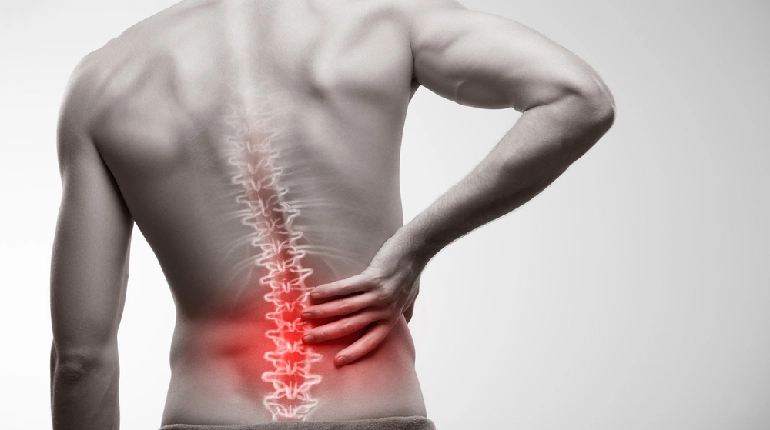
Back pain and leg pain are common problems, often confusing patients between a slip disc and sciatica. While both conditions are related to the spine and nerves, they are not the same. Understanding the difference is important for accurate diagnosis and effective treatment by an experienced orthopedic or spine specialist.
What is a Slip Disc?
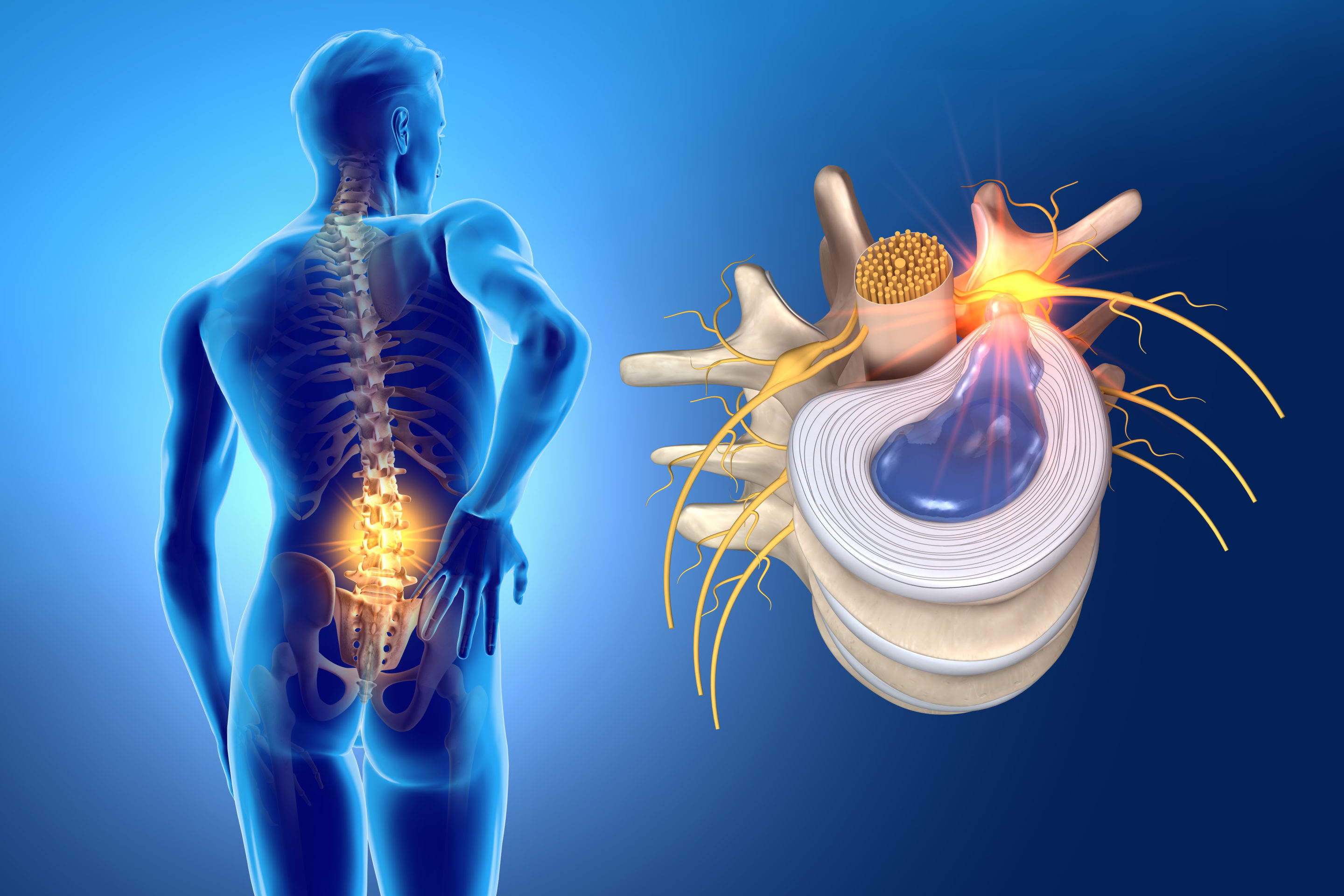
A slip disc, also known as a herniated or prolapsed disc, occurs when the soft inner portion of a spinal disc pushes out through its outer layer. This can put pressure on nearby nerves, leading to pain and discomfort.
Common Causes
- Age-related degeneration
- Sudden injury or trauma
- Heavy lifting
- Poor posture
- Sedentary lifestyle
Symptoms of Slip Disc
- Localized back or neck pain
- Pain that worsens with movement
- Muscle weakness
- Numbness or tingling
- Radiating pain (if nerves are compressed)
What is Sciatica?
Sciatica is not a condition itself but a symptom caused by irritation or compression of the sciatic nerve, the longest nerve in the body. It usually results in pain that travels from the lower back down to the leg.
Common Causes
- Herniated (slip) disc
- Spinal stenosis
- Bone spurs
- Muscle tightness (piriformis syndrome)
Symptoms of Sciatica
- Sharp, shooting pain from lower back to leg
- Pain on one side of the body
- Tingling or burning sensation
- Numbness in the leg or foot
- Weakness in the affected leg
Key Differences Between Slip Disc and Sciatica
| Feature | Slip Disc | Sciatica |
|---|---|---|
| Definition | A spinal disc problem | A nerve-related symptom |
| Cause | Disc herniation | Nerve compression |
| Pain Location | Back or neck | Radiates from back to leg |
| Nature of Pain | Localized or radiating | Sharp, shooting pain |
| Condition Type | Structural issue | Symptom of underlying issue |
How Are They Related?
A slip disc is one of the most common causes of sciatica. When a herniated disc presses on the sciatic nerve, it leads to the typical symptoms of sciatica.
Diagnosis by Orthopedic/Spine Specialist
- Physical examination
- Neurological tests
- MRI scan
- CT scan
- X-rays
Treatment Options
Non-Surgical Treatment
- Rest and activity modification
- Pain-relief medications
- Physiotherapy
- Hot/cold therapy
- Lifestyle changes
Advanced Treatments
- Epidural steroid injections
- Minimally invasive spine procedures
- Endoscopic spine surgery (in severe cases)
When to See a Doctor
Consult an orthopedic or spine specialist if:
- Pain lasts more than a few weeks
- Severe leg pain or weakness occurs
- Loss of bladder or bowel control
- Difficulty walking or standing
Prevention Tips
- Maintain proper posture
- Exercise regularly
- Avoid heavy lifting
- Strengthen core muscles
- Maintain healthy body weight

Dr. Rahul Sharma
MBBS, MS, DNB (Neurosurgery), FIPP, FESS (Germany)
Senior Consultant Neurosurgery & Chief – MISS & Pain Modulation