Signs of Brain Tumor You Should Never Ignore
A brain tumor is a serious medical condition that occurs when abnormal cells grow in the brain. While not all brain tumors are cancerous, they can still affect vital brain functions and require timely medical attention.
The early symptoms of a brain tumor can often be subtle and easily mistaken for common health issues like stress, migraines, or fatigue. However, recognizing the warning signs early can make a significant difference in diagnosis and treatment outcomes.
Let's explore the key symptoms you should never ignore.
What Is a Brain Tumor?
A brain tumor is an abnormal growth of cells within the brain or surrounding tissues. It can be:
- Benign (non-cancerous) – grows slowly and may not spread
- Malignant (cancerous) – grows aggressively and can invade nearby tissues
Regardless of type, both can increase pressure inside the skull and disrupt normal brain function.
Early Signs of a Brain Tumor
- Persistent or Severe Headaches
Headaches are one of the most common symptoms. However, brain tumor-related headaches often:- Are worse in the morning
- Increase in intensity over time
- Do not improve with regular medication
- Frequent Nausea and Vomiting
Unexplained nausea or vomiting, especially in the morning, can be a sign of increased pressure in the brain. - Vision Problems
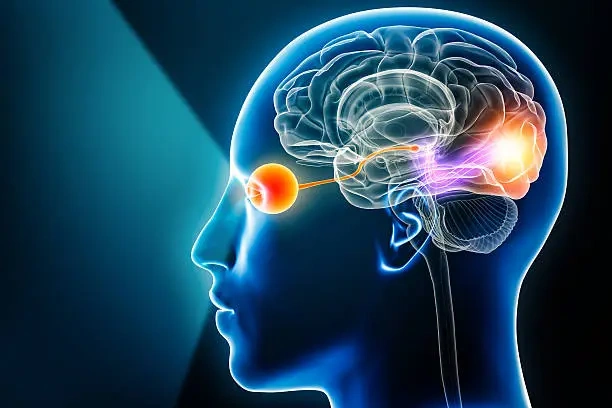
Blurred vision, double vision, or loss of peripheral vision may occur if the tumor affects the areas responsible for sight. - Seizures
Experiencing seizures for the first time is a major red flag. Brain tumors can disrupt normal electrical activity in the brain, leading to seizures. - Difficulty in Speaking or Understanding
You may notice trouble finding words, slurred speech, or difficulty understanding conversations. - Weakness or Numbness in Limbs
Sudden weakness or numbness in the arms, legs, or one side of the body can indicate nerve involvement. - Balance and Coordination Problems
Frequent falls, dizziness, or trouble maintaining balance may suggest that the tumor is affecting the cerebellum. - Changes in Personality or Behavior
Unusual mood swings, irritability, memory problems, or confusion can be early warning signs. - Hearing Problems
Hearing loss or ringing in the ears (tinnitus) may occur if the tumor affects auditory nerves. - Extreme Fatigue
Persistent tiredness that doesn't improve with rest can also be a symptom.
When Should You See a Doctor?
You should seek immediate medical attention if you experience:
- New or worsening headaches
- First-time seizures
- Sudden vision or speech problems
- Weakness on one side of the body
- Persistent vomiting without a clear cause
Early diagnosis can significantly improve treatment outcomes and prevent complications.
How Is a Brain Tumor Diagnosed?
Doctors may recommend the following tests:
- MRI Scan – detailed brain imaging
- CT Scan – helps detect abnormalities
- Neurological Examination – tests brain function
- Biopsy – confirms tumor type
Treatment Options
Treatment depends on the size, type, and location of the tumor:
- Surgery – Removal of the tumor is often the first step when possible.
- Radiation Therapy – Uses high-energy rays to destroy tumor cells.
- Chemotherapy – Drugs are used to target and kill cancer cells.
- Targeted Therapy – Focuses on specific abnormalities within tumor cells.
Why Early Detection Matters
Ignoring symptoms can allow the tumor to grow and affect critical brain functions. Early detection helps in:
- Better treatment planning
- Higher chances of recovery
- Reduced complications
- Improved quality of life
Conclusion
While not every headache or neurological symptom indicates a brain tumor, it's important to stay aware of unusual or persistent changes in your body. If something doesn't feel right, don't delay seeking medical advice.

Dr. Rahul Sharma
MBBS, MS, DNB (Neurosurgery), FIPP, FESS (Germany)
Senior Consultant Neurosurgery & Chief – MISS & Pain Modulation